
Why Silver Tarnishes and How to Clean It Safely at Home
 A P Jewellers
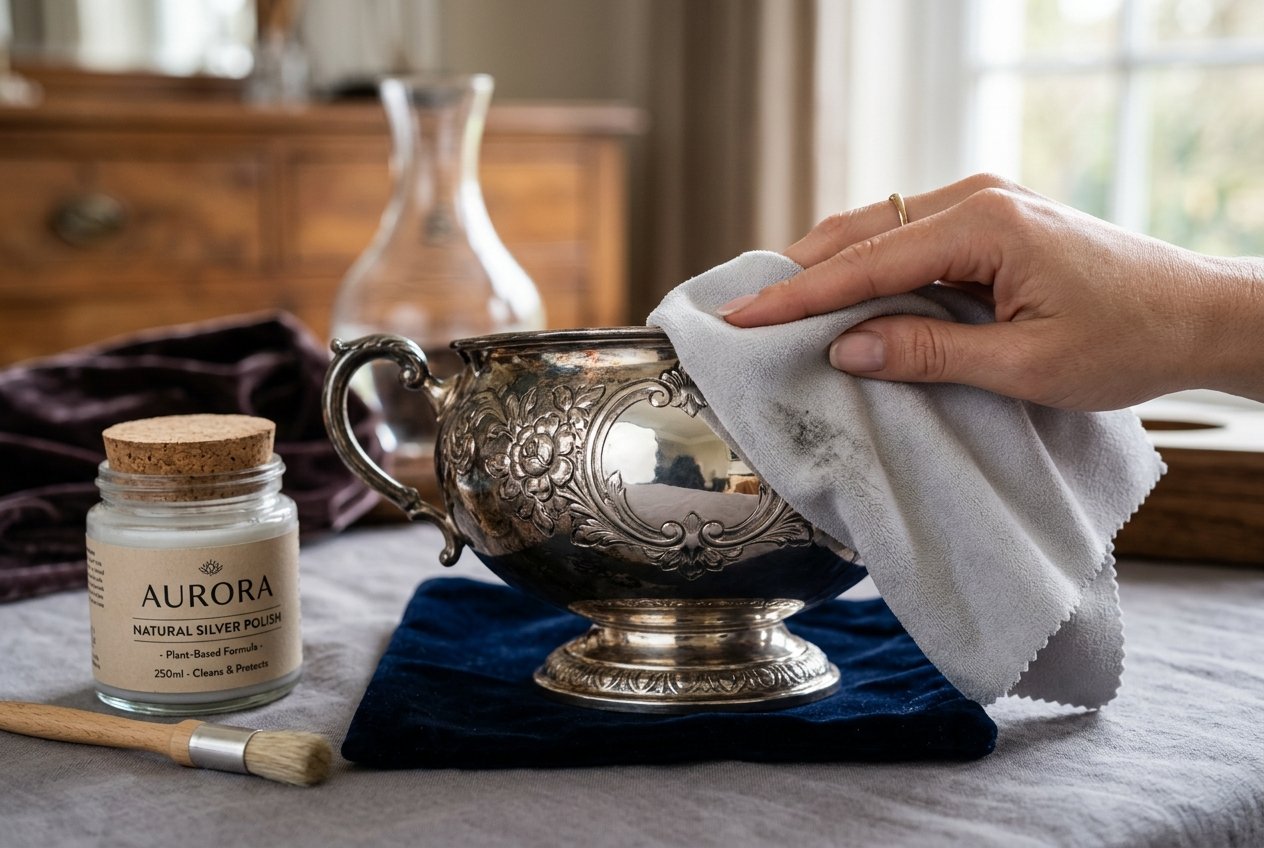
Silver is prized for its brilliant luster, but it is also famous for developing a dark, dull film over time. Understanding the science behind this reaction is the first step toward keeping your collection—whether it's everyday 925 sterling silver or heirloom pieces—looking pristine.
🧪 The Science of Tarnish: Why Silver Turns Black
Tarnish is a natural surface reaction and not a sign that your silver is fake or of low quality. In fact, oxidation is a sign that the metal is genuine.
The Chemical Reaction: Tarnish occurs when silver reacts with sulfur-containing substances in the air or environment, primarily hydrogen sulfide. This reaction forms silver sulfide, a dark brown or black coating on the metal's surface.
Common Triggers:
- Air & Humidity: Trace amounts of hydrogen sulfide are present in the air from industrial emissions, vehicle exhaust, and decaying organic matter. High humidity levels accelerate this reaction.
- Skin Chemistry: Individual skin pH, sweat, and natural oils can increase acidity and speed up tarnishing.
- Household Items: Items like rubber bands, wool, latex, and certain foods (eggs, onions) contain sulfur compounds that trigger discoloration.
- Chemicals: Exposure to household cleaners, chlorine in swimming pools, and beauty products like perfume or hairspray can dull silver.
🛡️ The Aluminum Foil & Baking Soda Method (Best for Heavy Tarnish)
This "kitchen chemistry" hack uses an electrochemical reaction to transfer the sulfur from the silver onto aluminum foil, restoring the shine without scraping away the metal.
What You Need:
- A heatproof container (glass or ceramic is preferred to avoid unwanted reactions).
- Aluminum foil.
- Baking soda (bicarbonate of soda).
- Hot or boiling water (use warm water for jewelry with adhesive bonds).
Step-by-Step Instructions:
- Line the Bowl: Place aluminum foil at the bottom of the container with the shiny side up.
- Add Jewelry: Place your tarnished silver pieces on the foil, ensuring each piece has direct physical contact with the aluminum.
- Sprinkle Baking Soda: Add about 1/4 cup of baking soda for every cup of boiling water.
- Pour Water: Carefully pour hot water over the jewelry until submerged. You may notice a "rotten egg" smell as the sulfur is released.
- Wait and Rinse: Let it sit for 2 to 10 minutes depending on the severity of the tarnish. Remove the items with tongs, rinse thoroughly in cool water, and dry immediately with a soft microfiber cloth.
🧼 Gentle Daily Cleaning: Mild Soap and Water
For lightly tarnished jewelry or pieces with delicate settings, a gentler approach is safer:
- The Process: Mix a few drops of mild, phosphate-free dish soap into warm water.
- The Technique: Soak the jewelry for 5–10 minutes.
- The Finish: Scrub gently with a soft toothbrush if needed, rinse with cool water, and dry thoroughly with a soft cloth to prevent water spots.
🚫 Maintenance Myths: What to Avoid
- Toothpaste: While a common "DIY hack," toothpaste is abrasive and can leave microscopic scratches that permanently dull silver's smooth surface. It can also leave a film that attracts more dirt.
- Harsh Acids: Some advise using vinegar or lemon juice, but these acidic solutions can be too harsh for silver and can damage porous gemstones like pearls or turquoise.
- Abrasive Scrubbing: Avoid stiff brushes or abrasive cloths that can scratch the soft metal.
📦 Prevention: How to Keep Your Silver Shining Longer
- "Last On, First Off": Put your jewelry on after lotions and perfumes have dried to minimize chemical exposure.
- Wear it Often: Interestingly, wearing silver often helps it stay brighter because the natural oils in your skin can provide a protective barrier against the air.
- Proper Storage: Store clean, dry silver in airtight containers or specialized anti-tarnish pouches to lock out moisture and sulfur gases.
- Add a Desiccant: Placing a piece of chalk or a silica gel packet in your jewelry box can help absorb humidity.
Coordinate Custom Ornaments
Have questions about gold purities, bis certifications, or design rates discussed in this article? Chat with our experts directly.